Good Vibes: A Practical Look at a Versatile Condensed Sans Serif for Modern Creators
In the crowded landscape of digital typography, finding a font that balances distinct personality with broad utility can be a challenge. Many typefaces lean heavily into either extreme stylistic flair or sterile neutrality. Good Vibes positions itself in a compelling middle ground: a condensed sans serif designed for clarity, impact, and adaptability. This article provides a practical analysis of its design characteristics, ideal use cases, and overall value for professionals working in print-on-demand, branding, and digital design.
Core Design Characteristics and Visual Identity
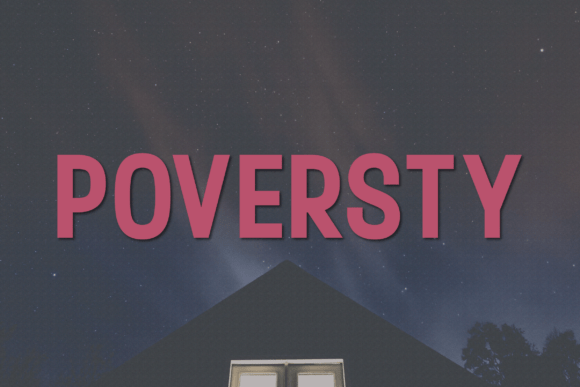
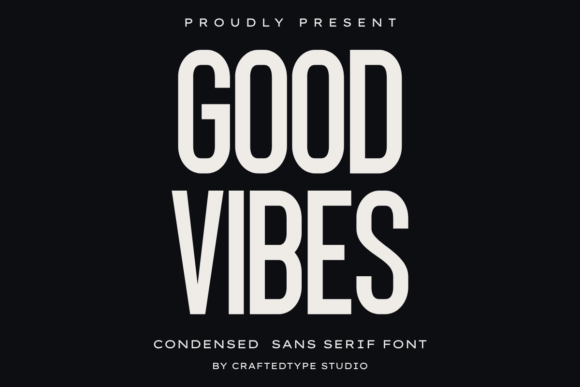
At its foundation, Good Vibes is a sleek and stylish condensed sans serif. Its defining features are tall, narrow letterforms with consistent stroke widths and carefully considered spacing. This creates a modern, clean aesthetic that avoids looking cramped or overly technical. The letter spacing, or tracking, is balanced to ensure legibility even at smaller sizes, a common challenge with condensed typefaces. The overall impression is one of efficiency and contemporary elegance.
The font's design is intentionally versatile. It lacks the overtly playful quirks of a display font but avoids the cold, impersonal feel of a purely geometric sans serif. This makes Good Vibes suitable for contexts that require a professional yet approachable tone. The letterforms are consistent in weight and proportion, contributing to a reliable visual rhythm across headlines, logos, and body text applications where a condensed format is beneficial.
Practical Applications and Project Suitability
The primary strength of Good Vibes lies in its application flexibility. Its condensed nature is particularly advantageous in space-constrained environments, making it a strong candidate for several specific project types.
- Print On Demand (POD) Products: This is a core use case. For t-shirts, posters, mugs, and tote bags, Good Vibes can create impactful slogans, titles, or branding elements without requiring excessive horizontal space. Its clean lines reproduce well on various materials and printing methods, from screen printing to direct-to-garment (DTG) and sublimation.
- Branding and Logo Design: For logos, especially those for modern startups, fitness brands, tech companies, or minimalist product lines, the font offers a sleek foundation. It works well for wordmarks or as a supporting typeface for taglines. Its neutrality allows it to pair effectively with a wide range of serif or script fonts for contrast.
- Film Titles and Cinematic Visuals: The tall, structured letterforms of Good Vibes lend themselves to movie posters, title cards, and social media graphics for film projects. It conveys a sense of seriousness and modernity without the dramatic weight of a heavy slab serif, fitting genres like drama, thriller, or contemporary documentary.
- Modern Packaging and Marketing Collateral: On product packaging, where shelf appeal and quick readability are crucial, Good Vibes can efficiently communicate product names, key features, or brand messaging. Its style aligns well with consumer goods in categories like health & wellness, cosmetics, or gourmet food.
Technical Execution and Workflow Integration
From a technical standpoint, Good Vibes is delivered in OTF (OpenType Font) and TTF (TrueType Font) formats, ensuring compatibility with virtually all design software, from Adobe Creative Suite and Affinity Designer to Canva and Microsoft Office applications. A significant practical feature is its full PUA (Private Use Area) encoding. This means all glyphs, including stylistic alternates, ligatures, and extended language support, are accessible via a character map or glyph panel in any design program, not just those with advanced OpenType support.
This encoding drastically improves workflow efficiency. A designer using a simpler program like Canva or even PowerPoint can easily access alternate characters to customize a logo or headline without switching to a more complex application. For professionals, this reduces friction and expands creative options. The font files are well-organized, and the consistent weight across the character set ensures reliable rendering and printing.
Evaluating Strengths and Considering Limitations
The most notable strength of Good Vibes is its balanced versatility. It successfully bridges the gap between a sterile corporate sans serif and an overly decorative display font. Its condensed form is genuinely useful for real-world design problems involving limited space. The PUA encoding is a major usability win, particularly for creators who do not use professional design suites daily.
However, practical evaluation requires acknowledging potential limitations. As a condensed sans serif, Good Vibes is not optimized for long-form body text. While legible at headline sizes, setting a full paragraph in a condensed face can reduce reading comfort over extended passages. It is best used for headlines, subheadings, logos, and short bursts of text. Furthermore, while its style is modern, it may not carry the same level of unique, custom character as a bespoke or highly stylized typeface. Its value is in its reliability and adaptability rather than in making a singular, niche artistic statement.
Ideal Audience and Final Recommendations
Good Vibes is particularly well-suited for Print On Demand entrepreneurs, graphic designers working on client branding, marketers creating social media assets, and small business owners developing their own packaging or promotional materials. Its ease of use and broad compatibility make it accessible to freelancers and hobbyists who may use a variety of tools.
For those in film or video production, it offers a clean, modern typographic solution for titling that won't compete excessively with visual content. Bloggers and publishers might find it useful for pull quotes or section headers to add visual interest without compromising readability.
In conclusion, Good Vibes