Humble Foundry: Elevating Design with Handwritten Elegance
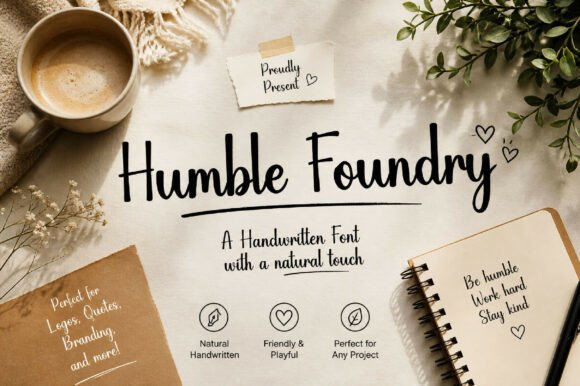
In the saturated landscape of digital design, achieving a balance between professionalism and genuine human connection is a persistent challenge. Designers and brand strategists often find themselves stuck between the rigidity of sans-serif corporate fonts and the chaotic illegibility of overly casual scripts. This is precisely where Humble Foundry enters the conversation. It is not merely a typeface; it is a refined handwritten script designed to bridge the gap between warmth and sophistication. By utilizing tall letterforms, smooth strokes, and a natural flow, Humble Foundry offers a solution for projects that demand a personal touch without sacrificing clarity or modern aesthetics.
The Challenge of Modern Typography
Typography is the voice of design, yet many creators struggle to find the right tone. A common frustration is the "coldness" of standard digital fonts. While geometric sans-serifs are excellent for readability, they often lack the emotional resonance required for lifestyle branding, artisanal products, or personal portfolios. Conversely, many script fonts attempt to mimic handwriting but fail in execution, looking either too childish, too messy, or too rigid.
The goal for most designers today is to create an authentic experience. Whether you are building a wedding stationery suite or launching a skincare line, the audience needs to feel a connection to the brand. They are looking for something that feels "human." However, meeting this need while maintaining a polished, high-end look is difficult. This is the specific gap that Humble Foundry was designed to fill. It provides the organic imperfections of a human hand while retaining the structure necessary for professional application.
Understanding the Anatomy of Humble Foundry
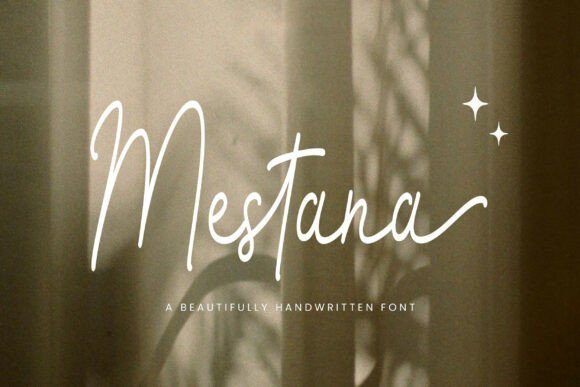
To appreciate how Humble Foundry solves these design problems, it is helpful to look at its construction. The font is characterized by its vertical orientation. Unlike some scripts that slant heavily or sprawl horizontally, the tall letterforms of this font give it a sense of dignity and elegance. This structural choice makes it highly legible, even at smaller sizes, which is crucial for digital applications like mobile website headers.
Furthermore, the smooth strokes suggest a confident, flowing hand movement. There are no jagged edges or abrupt stops that can distract the reader. Instead, the typography flows naturally, guiding the eye from one word to the next. This "natural handwritten flow" is what allows Humble Foundry to feel timeless. It does not rely on fleeting trends like distorted shapes or extreme textures; it relies on the classic beauty of well-formed cursive letters.
Practical Applications and Real-World Scenarios
The versatility of Humble Foundry is one of its strongest assets. It adapts to various contexts, allowing different users to achieve specific outcomes. Here is how different sectors can implement this font effectively:
1. Branding and Logo Design
For startups, particularly in the fashion, beauty, or food industries, a logo must communicate quality instantly. Using Humble Foundry for a primary wordmark can lend an air of boutique sophistication. It suggests that the brand values craftsmanship and attention to detail. For example, a coffee roastery or a handmade jewelry shop would benefit from the warm, inviting nature of this script. It tells the customer, "We care about the details," before they even read the copy.
2. Wedding Invitations and Event Stationery
The wedding industry relies heavily on the emotional weight of typography. Planners and couples often seek fonts that feel romantic but remain easy to read on formal invitations. Humble Foundry excels here because its "clean and stylish look" complements both modern minimalist layouts and more traditional, ornate designs. It pairs beautifully with simple sans-serif fonts for the body text, creating a hierarchy that is both functional and aesthetically pleasing.
3. Digital Media and Web Headers
In the realm of web design, headers and hero sections need to capture attention immediately. A bold, handwritten script like Humble Foundry can break up the monotony of standard web layouts. It adds personality to a homepage without overwhelming the user experience. When used for pull quotes or call-to-action phrases, it draws the eye and emphasizes key messages, making the content feel more conversational and less corporate.
4. Product Packaging and Social Media Graphics
Packaging design needs to stand out on a crowded shelf—physical or digital. Humble Foundry helps products look "premium." Imagine a matte black box with "Luxe Collection" written in this elegant script; the contrast creates an immediate impression of value. Similarly, for social media managers creating Instagram stories or Pinterest pins, this font helps content feel curated and intentional, rather than hastily thrown together.
Strategies for Implementation
While Humble Foundry is a powerful tool, its effectiveness depends on how it is used. Typography is not just about choosing a font; it is about context and composition.
Pairing with Simplicity: Because Humble Foundry has a distinct personality, it works best when paired with something neutral. A clean sans-serif (like Montserrat, Lato, or a simple Arial) allows the script to shine without causing visual clutter. Use the script for headlines and the sans-serif for the supporting body copy.
Hierarchy and Spacing: Given the tall nature of the letterforms, Humble Foundry requires adequate breathing room. Generous line height (leading) and letter spacing (tracking) will enhance its elegance. Cramping this font will diminish its impact and reduce readability.
Color and Texture: This font thrives in high-contrast environments. Dark text on a light background or vice versa works best. It also pairs well with textured backgrounds, such as paper grain or linen overlays, which complements its handmade aesthetic.
Tailoring the Font to Your Workflow
Different users will approach Humble Foundry based on their specific constraints. A freelance graphic designer might use it to create a "signature" look for their clients, ensuring that every brand identity they create feels bespoke. A DIY entrepreneur, on the other hand, might use it to elevate their homemade products, giving them a professional edge that rivals mass-market competitors.
For web developers, the consideration is technical: ensuring that the font loads quickly and renders correctly across different browsers. However, the aesthetic payoff—creating a website that feels warm and engaging—usually outweighs the minor technical setup required.
Ultimately, Humble Foundry is about communication. It communicates care, quality, and personality. In a digital world that can often feel impersonal and automated, introducing a typeface that mimics the nuance of human handwriting is a strategic move. It reminds the viewer that behind the screen, there is a creative mind dedicated to delivering a beautiful experience. By integrating this font into your toolkit, you are not just choosing a style; you are choosing to connect with your audience on a more human level.
Conclusion
The search for the perfect typography often ends in compromise—sacrificing style for readability or personality for professionalism. Humble Foundry challenges that compromise. It proves that a font can be simultaneously expressive and polished, modern and timeless. Whether you are designing a logo for a new startup, laying out a wedding invitation, or crafting a social media campaign, this typeface provides the tools to make your work memorable. By understanding its strengths and applying it thoughtfully, you can transform standard designs into something truly special.