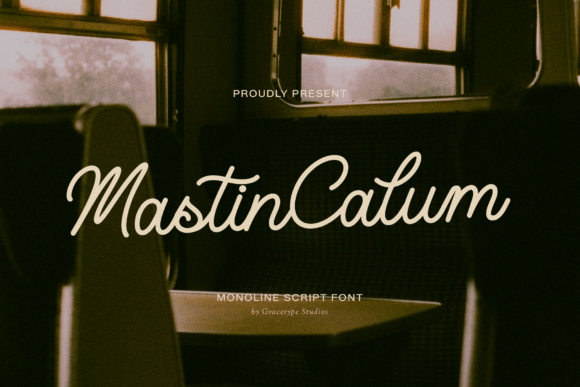
Mastin Calum: A Strategic Approach to Vintage Typography
In the crowded digital marketplace, visual identity is not merely about aesthetics; it is a critical component of strategic communication. Typography, often the unsung hero of design, plays a pivotal role in how your audience perceives your brand's personality and values. Choosing a font is a decision that impacts legibility, emotional resonance, and brand consistency. For those seeking to evoke nostalgia, warmth, and artisanal quality, the Mastin Calum monoline script font presents a compelling option. Understanding its characteristics and applying it with intention can transform it from a decorative element into a powerful tool for connection and differentiation.
Understanding the Core Attributes of Mastin Calum
Mastin Calum is a monoline script font, meaning it features a consistent, uniform line weight throughout each letterform. This technical characteristic is foundational to its strategic value. Unlike high-contrast scripts where thick and thin strokes create drama, the balanced weight of Mastin Calum fosters a sense of stability, approachability, and handcrafted authenticity. Its design draws inspiration from mid-century hand lettering, characterized by smooth, rhythmic connections and elegantly rounded loops. This creates a visual language that feels both familiar and refined, avoiding the potential chaos of overly decorative scripts while maintaining a distinctly personal, hand-drawn soul.
The practical benefit of this design is twofold. First, it ensures excellent legibility at various sizes, a non-negotiable requirement for any font used in logos, packaging, or digital interfaces. Second, its clean structure allows it to convey elegance without sacrificing clarity, making it a versatile player in a designer's toolkit. It is this balance between personality and performance that makes Mastin Calum a subject worth strategic consideration.
Strategic Applications: Where and Why to Deploy This Typeface
The decision to use a font like Mastin Calum should be rooted in specific communication goals. Its vintage warmth and timeless charm are not universal solutions but targeted instruments for creating particular brand perceptions.
Building Brand Positioning and Identity
For businesses positioning themselves in the artisanal, heritage, or lifestyle spaces, typography is a direct reflection of brand values. Using Mastin Calum in a logo or primary branding elements can immediately signal craftsmanship, nostalgia, and a human touch. Consider a small-batch coffee roaster, a bespoke leather goods maker, or a farm-to-table restaurant. The font’s aesthetic aligns perfectly with their narrative of care, tradition, and quality. It helps build a cohesive brand world where every touchpoint, from the website header to the packaging tag, reinforces the same core message. This strategic alignment fosters stronger brand recognition and emotional loyalty among a target audience that values authenticity.
Enhancing Customer Experience and Communication
Beyond logos, Mastin Calum can be instrumental in shaping the customer experience. In wedding stationery or greeting cards, its elegant flow adds a layer of sentimental sophistication that resonates on a personal level. For a café’s menu or a bakery’s signage, it creates a welcoming, cozy atmosphere that encourages patrons to linger and enjoy the experience. In digital contexts, it can be used for hero text on a landing page or for pull quotes in a blog to draw the reader’s eye and emphasize key messages with grace. The key is to use it in applications where its personality can shine without compromising functional readability. It should enhance the message, not obscure it.
Practical Guidance for Implementation and Pairing
Deploying Mastin Calum effectively requires more than just liking its appearance. It demands thoughtful integration into a broader design system.
Contextual Decision-Making
Before selecting this font, ask: What is the primary goal of this communication? If the goal is to convey cutting-edge modernity or stark minimalism, Mastin Calum may create cognitive dissonance. Its strength lies in evoking specific, warm associations. Use it for projects where you want to tell a story of heritage, comfort, or handcrafted excellence. It is particularly effective for:
- Retro lifestyle branding for apparel, home goods, or wellness products.
- Artisanal product packaging for food, cosmetics, or crafts.
- Cozy cafe logos and menus that aim for a neighborhood feel.
- Elegant quote graphics and social media posts for authors, coaches, or lifestyle influencers.
- Wedding stationery and sentimental greeting cards where emotion is paramount.
Pairing and Hierarchy for Long-Term Value
A font does not exist in isolation. To maximize the utility and longevity of your design, pair Mastin Calum with complementary typefaces. Given its script nature, it pairs best with clean, neutral sans-serifs or simple, readable serifs for body text. This creates a clear visual hierarchy: Mastin Calum captures attention and sets the tone in headlines or logos, while its partner font delivers detailed information with efficiency. This pairing strategy ensures your designs remain balanced, professional, and scalable across different media and applications. Overusing a distinctive script can lead to visual fatigue; using it as a strategic accent ensures its impact remains fresh and intentional.
Avoiding Pitfalls: The Risks of Unintentional Use
The charm of a font like Mastin Calum can be a double-edged sword if applied without clear rationale. The primary risk is aesthetic mismatch. Using it for a technology startup or a corporate financial report could undermine credibility, as the font’s personality clashes with the industry’s expected tone of innovation and security. It may appear unprofessional or out of touch.
Another consideration is overuse and dilution. If every piece of marketing material screams with the same script font, its special quality is lost. It becomes background noise rather than a meaningful signal. Furthermore, while legible for a script, it is not designed for long-form reading. Using it for extended paragraphs on a website will create accessibility issues and frustrate users, harming the very customer experience you seek to improve. The strategic takeaway is clear: reserve Mastin Calum for high-impact, emotional touchpoints where its strengths are assets, not liabilities.
Conclusion: Intentionality as the Guiding Principle
Mastin Calum is more than a beautiful typeface; it is a vessel for meaning. Its monoline structure, vintage inspiration, and elegant flow offer a specific set of emotional and aesthetic tools. The most successful creators and brands are those who choose their tools with foresight, understanding that every design decision contributes to a larger narrative. By aligning the use of Mastin Calum with clear goals—whether to build brand heritage, enhance a sensory experience, or communicate with heartfelt elegance—you move beyond random decoration into the realm of strategic design. This intentionality is what ultimately builds trust, recognition, and lasting value in the minds of your audience.