Mod Melon: A Geometric Font for High-Impact Visual Branding
Understanding the Anatomy of Mod Melon
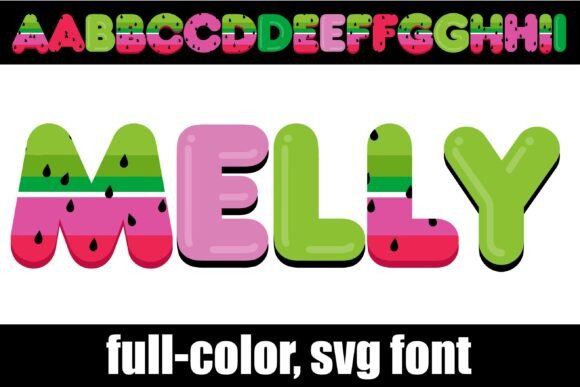
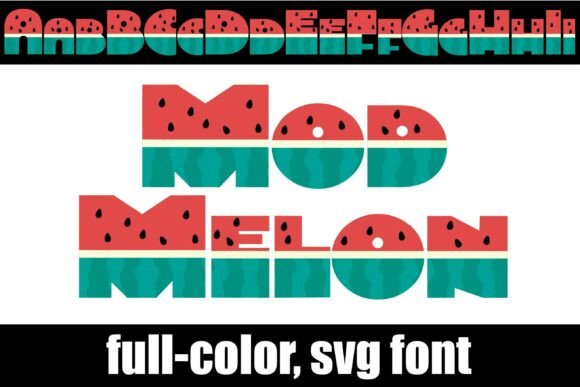
In the world of digital typography, finding a font that balances playful aesthetics with structural integrity is a significant challenge for designers. Mod Melon enters the market as a high-impact geometric display font designed specifically to bridge that gap. Unlike standard sans-serifs that rely on uniform strokes, Mod Melon utilizes a distinct architectural approach. The typeface features thick, blocky letterforms that are visually segmented into a "rind" and "fruit" aesthetic. This separation is not merely decorative; it provides a built-in color theory system that allows for complex layering without additional design assets.
The defining characteristic of this font is its SVG technology. Traditional vector fonts are limited to single-color fills or basic gradients. However, the Mod Melon Geometric Full-Color SVG Font allows for realistic textures, including the intricate seed detailing and the vibrant tri-tone palette of the watermelon rind. This technology embeds the high-resolution graphic data directly into the font file. For the end-user, this means typing a character automatically generates a rich, textured image, significantly reducing the time required to create complex typographic headers.
Strategic Placement in the Creative Workflow
Integrating a specialized asset like Mod Melon requires understanding where it fits within a broader project timeline. It is essential to recognize that this is a display typeface, intended for headlines, logos, and hero sections, rather than body copy. Therefore, its implementation usually occurs during the "Visual Identity" or "Marketing Collateral" phase of a project.
Before selecting Mod Melon, a creator or business owner should have established their brand voice and content strategy. If the project requires a tone that is energetic, modern, and approachable, Mod Melon serves as a primary visual anchor. For instance, in a branding package for a startup, the font should be chosen after the color palette is roughed out but before finalizing logo lockups. By introducing the font early in the design phase, designers can extract the specific hex codes used within the SVG glyphs to create complementary UI elements, ensuring a cohesive visual ecosystem.
Preparation and File Management
Adopting SVG fonts requires a specific set of technical preparations. Because these files contain image data rather than simple vector paths, they are larger than standard TTF or OTF files. Effective workflow integration begins with asset organization. Designers should establish a dedicated font library for SVG assets to prevent bloating system resources on machines that may not support them natively.
Furthermore, compatibility checks are a mandatory step in the planning process. SVG fonts rely on modern rendering engines. Before committing to a design direction using Mod Melon, verify that the target output platforms—whether Adobe Creative Cloud, Figma, or specific web browsers—support OpenType-SVG features. This due diligence prevents workflow bottlenecks later in the production stage.
Practical Implementation in Branding and Signage
The utility of Mod Melon extends across various sectors, particularly in environments where visual noise is high. In the context of cafe branding or juice bar identities, the font functions as a visual shorthand for freshness. When applied to menu boards or digital signage, the realistic seed detailing captures attention faster than flat vector text.
For digital marketers and content creators, the font is a powerful tool for high-visibility headers. When designing a landing page for a summer campaign, the workflow often involves creating multiple iterations of hero images. Mod Melon streamlines this process. Instead of manually placing individual watermelon graphics behind text, the user types the headline, adjusts the size, and the texture is applied automatically. This efficiency allows for rapid A/B testing of different headlines without the overhead of re-compositing images.
Pairing and Hierarchy
A common pitfall with bold, geometric display fonts is visual competition. Mod Melon has a strong personality; therefore, it demands a complementary partner. In a practical workflow, this means selecting a neutral, highly legible font for body copy. A clean sans-serif or a classic serif typeface creates the necessary contrast to make the Mod Melon headlines pop without causing visual fatigue.
When establishing hierarchy, use Mod Melon sparingly. It is most effective when used for the primary call-to-action (CTA) or the main brand name. Overusing the font on every subheading or button can dilute its impact. The goal is to use the font's architectural precision to guide the user's eye to the most critical conversion points on the page.
Technical Execution and Quality Control
Once the design phase moves into execution, quality control becomes paramount. Because Mod Melon utilizes a tri-tone palette, color contrast is a key consideration. If the font is placed over a busy background image, the realistic seed detailing may become lost, reducing legibility.
To mitigate this, implement a background isolation strategy. This involves placing a solid or semi-transparent shape behind the text block. This ensures that the "rind" and "fruit" colors remain distinct and readable. Additionally, when exporting assets for web use, pay attention to file weight. While the SVG font handles the rendering in vector software, rasterizing the text for specific web formats (like PNG or JPG) requires high-resolution export settings to preserve the intricate texture. Blurry pixels are the enemy of this specific aesthetic.
Long-Term Use and Scalability
For businesses planning long-term campaigns, consistency is vital. Mod Melon is designed to be scalable, maintaining its geometric integrity from small social media icons to large-format trade show banners. However, users must ensure that the licensing allows for the specific usage required, particularly if the font is embedded in mobile applications or distributed software.
Integrating Mod Melon into a brand style guide is a best practice for long-term use. Document exactly which characters are used in the logo lockup and specify the minimum size for legibility. By codifying these rules, teams can maintain brand consistency across different departments and external vendors, ensuring that the high-impact nature of the font is preserved over time.
Conclusion: Elevating Visual Communication
Mod Melon is more than just a novelty typeface; it is a strategic asset for modern branding. By leveraging its full-color SVG capabilities, professionals can bypass complex design steps to achieve a polished, high-fidelity look. Whether used for a seasonal marketing push or a permanent brand identity, the font’s blend of geometric precision and organic texture offers a distinct competitive advantage in a crowded visual landscape.