Bold: The Enduring Power of Strong Typography in a Noisy World
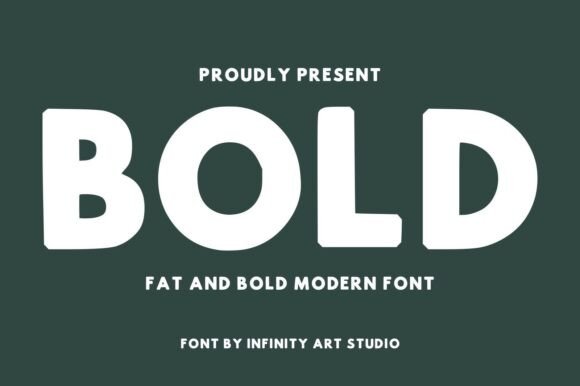
In the relentless scroll of modern digital life, attention is the ultimate currency. Every brand, every message, every piece of content is competing for a fleeting moment of focus. In this environment, subtlety can be a risk. This is where the power of bold typography asserts itself, not as a mere stylistic choice, but as a fundamental tool for communication. A typeface like Bold Fat Modern Display Font isn't just thick letters on a screen; it's a deliberate strategy. Its strong, clean letterforms and modern minimalism are engineered to cut through the visual noise, making an immediate and confident statement. Understanding why this approach resonates today reveals much about our changing relationship with design, content, and brand identity.
The Evolution from Decoration to Declaration
Typography has always carried meaning beyond the words it spells. Historically, bold typefaces were used for emphasis, to mark a headline or highlight a key term. However, the role of bold fonts has undergone a significant evolution. In the past, heavy, ornate typefaces were common, but they often sacrificed clarity for impact. Today's preference, as exemplified by fonts like Bold, leans toward a different philosophy: strength through simplicity. This shift mirrors broader design trends favoring minimalism and functionality. We've moved from seeing bold type as mere decoration to viewing it as a declaration of intent—a way to communicate values like confidence, clarity, and modernity at a glance.
This evolution is deeply tied to technology. The rise of high-resolution screens, from smartphones to ultra-wide monitors, has made the rendering of thick, clean letterforms flawless. Designers are no longer constrained by the limitations of early web typography or low-fidelity printing. They can deploy a powerful, fat modern display font with the assurance that it will look sharp and intentional on any device. This technical capability has empowered a new wave of creative expression, where the weight and presence of the typeface itself become a central part of the narrative.
Why Bold Typography Aligns with Modern Visual Habits
Our visual habits have been reshaped by the platforms we use. Social media feeds, particularly on visually-driven platforms like Instagram, Pinterest, and TikTok, are a mosaic of competing images and text. A subtle, thin font can easily get lost. A strong, bold typeface, however, has the inherent visual weight to stop the scroll. It creates a clear hierarchy, ensuring that the core message—whether it's a brand name, a sale announcement, or a motivational quote—is instantly legible. This isn't about being the loudest in the room, but about being the clearest.
Furthermore, the modern aesthetic often values authenticity and directness. Consumers are adept at filtering out overly complex or insincere marketing. A font like Bold Fat Modern Display Font communicates without pretense. Its clean lines and unambiguous weight project a sense of honesty and self-assurance. For entrepreneurs and small business owners building a brand from the ground up, this type of typography can be a shortcut to establishing a professional and trustworthy identity. It suggests that the brand has nothing to hide and is confident in its value proposition.
Practical Applications in Today's Creative Workflow
The utility of a bold, modern display font extends across a wide spectrum of creative projects, adapting to the specific needs of different users and outcomes.
- Branding and Logo Design: A logo needs to be memorable and scalable. The thick, defined strokes of a bold typeface ensure it remains recognizable whether it's on a massive billboard or a tiny favicon. For brands targeting a younger, design-savvy demographic, this style conveys a contemporary edge. It works exceptionally well for tech startups, fitness brands, streetwear labels, and modern service companies that want to project innovation and strength.
- Digital Content and Social Media: As mentioned, impact is key in the feed. Using a bold font for text overlays on videos, for Instagram story headers, or for key phrases in carousel posts can dramatically increase engagement and message retention. It guides the viewer's eye exactly where you want it to go.
- Physical Products and Packaging: On a shelf crowded with competitors, packaging must attract attention in seconds. Bold typography can dominate a label, making the product name and purpose instantly clear. This is particularly effective for consumer packaged goods, cosmetics, and food products where shelf appeal directly influences purchasing decisions. The confident look can also be applied to merchandise like t-shirts and posters, where the text itself is the primary design element.
- Presentation and Editorial Design: In reports, pitch decks, or magazine layouts, a bold display font can be used strategically for chapter titles, section headers, and pull quotes. It breaks up long blocks of body text, adds visual interest, and reinforces the structure of the content, making complex information more digestible.
Integrating Bold Choices into a Balanced Design System
While the power of a bold typeface is undeniable, its effectiveness lies in thoughtful application. It is rarely, if ever, the best choice for long-form body text, where readability over paragraphs is paramount. Instead, its role is that of an accent or a headline. The most successful designs often employ a typeface pairing strategy. A strong, bold font like Bold Fat Modern Display Font can be paired with a highly legible, neutral sans-serif or serif font for body copy. This creates a dynamic contrast that establishes a clear visual hierarchy, guiding the reader through the content with both impact and comfort.
Consider a website homepage. The main hero headline might use the bold display font to capture immediate attention and set the tone. Supporting paragraphs explaining the service would use a simpler, more readable font. The same principle applies to a social media graphic: the bold font delivers the punchy headline, while a smaller, cleaner font provides the supporting details or call to action. This balanced approach ensures the design is both striking and functional, respecting the user's need for both excitement and ease of understanding.
Ultimately, the resurgence of bold, impactful typography is a response to our current context. It is a tool for clarity in an age of information overload, a marker of confidence in a competitive landscape, and a bridge between classic graphic design principles and the demands of modern digital interfaces. For designers, marketers, and creators, embracing a font like Bold is not just about following a trend; it's about equipping themselves with a versatile and powerful asset to communicate more effectively in a world that is constantly moving. It’s about making sure that when you have something important to say, it is not just heard, but seen and remembered.