Evaluating Dakota: A Gothic Script for Timeless Design
In the realm of typography, selecting a font is a foundational decision that shapes a project's entire visual identity. For designers and creators working on projects that require a sense of history, craftsmanship, and prestige, the search often leads to blackletter or gothic script styles. Dakota is one such typeface, an ornate gothic script designed to evoke the majesty of medieval artistry. This article provides a balanced evaluation of Dakota, exploring its characteristics, ideal applications, and potential tradeoffs to help you determine if it is the right choice for your design objectives.
Understanding Dakota's Core Characteristics
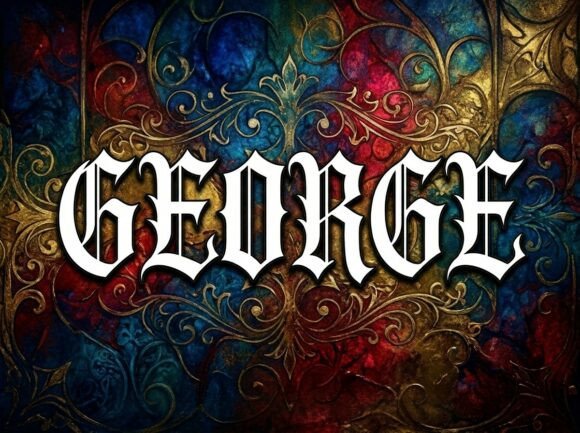
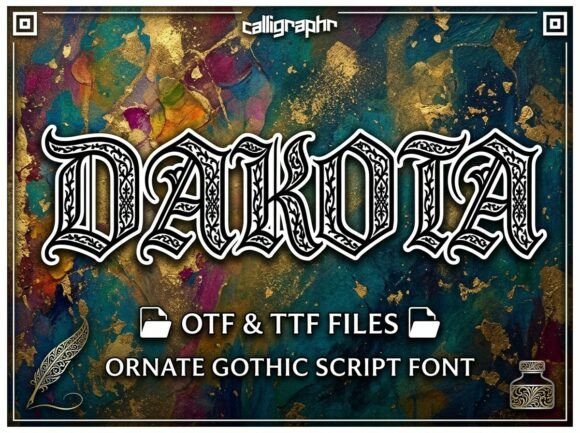
Dakota is not a simple blackletter font. It is a highly detailed display typeface characterized by its traditional, sharp-angled letterforms. What sets it apart is the intricate internal filigree and floral engravings that adorn each character. Each letter and number functions as a self-contained piece of decorative art, blending the powerful, formal structure of old-world calligraphy with high-definition ornamental detail. This results in a typeface that communicates a strong sense of historical authority and artisanal excellence. Its design is less about modern minimalism and more about creating a rich, textured visual statement.
Who Should Consider Dakota?
The decision to use a font like Dakota stems from a specific set of design goals. It is a strong candidate for projects where the primary objective is to convey heritage, luxury, or a connection to traditional craftsmanship. The level of detail in its letterforms means it is intended for use at larger sizes, where its intricate engravings can be fully appreciated. It is a display font, not a body text solution.
Scenarios Where Dakota Excels
- Luxury Product Branding: For high-end goods such as premium spirits, artisanal foods, or bespoke jewelry, Dakota can lend an air of established quality and timeless elegance. Its complexity suggests a product crafted with care and attention to detail.
- Editorial and Publishing: In the context of historical book covers, fantasy novel titles, or gothic-themed magazine layouts, Dakota provides a powerful thematic anchor. It immediately sets a specific, evocative tone for the content.
- Ceremonial Documents: For certificates, diplomas, or formal invitations where a sense of prestige and formality is required, Dakota's regal and intricate design can elevate the document's perceived value.
- Tattoo and Apparel Design: The sharp angles and detailed engravings of Dakota align well with the aesthetic of traditional tattoo art and certain styles of apparel branding, particularly those with a vintage or heritage focus.
When to Consider Alternatives
While Dakota is a powerful tool, its distinct style also defines its limitations. It is not a universally applicable typeface. There are several situations where an alternative would be more appropriate:
- Readability at Small Sizes: The intricate details that make Dakota special can become muddled or illegible when scaled down. For body text, footnotes, or any application requiring high legibility at small point sizes, a simpler serif or sans-serif font is necessary.
- Modern or Minimalist Aesthetics: Dakota's ornate, historical character is at odds with design trends that favor clean lines, negative space, and contemporary simplicity. For a tech startup, a modern lifestyle brand, or a minimalist poster, a sans-serif or a clean geometric sans would be a more fitting choice.
- Extensive Text Blocks: Using Dakota for long headlines or pull quotes can create visual clutter due to its density. It is best used for short, impactful words or phrases where its artistry can be a focal point without overwhelming the viewer.
Practical Decision-Making Insights
Before committing to Dakota, it is essential to weigh its aesthetic benefits against practical considerations. Your decision should be guided by your project's specific context and goals.
Benefits and Tradeoffs
The primary benefit of Dakota is its unparalleled ability to inject a project with a strong, specific narrative. It does not just display text; it communicates a story of history, mystery, and masterful artistry. The tradeoff, however, is a significant one: its intricate design limits its versatility. You are not choosing a flexible workhorse font but a highly specialized decorative element. This specialization means it cannot be used across a wide range of applications within a single brand system without causing visual inconsistency.
Compatibility and Context
Consider the other design elements in your project. Dakota pairs best with simple, understated fonts for supporting text. A clean serif like Garamond or a neutral sans-serif can provide necessary contrast and ensure overall legibility. The font's effectiveness is also heavily dependent on the color palette, background texture, and surrounding imagery. It works best when given space to breathe and is not competing with other overly complex visual elements.
Defining Your Project's Needs
Ask yourself these key questions during your evaluation:
- What is the core message? If the message is "heritage, luxury, and craftsmanship," Dakota is a strong candidate. If it is "innovation, clarity, and approachability," look elsewhere.
- What is the primary application? If it is for a logo, a book title, or a headline used at a large size, Dakota can be effective. If it is for user interface text or body copy, it is unsuitable.
- Who is the target audience? Dakota will resonate with an audience that appreciates historical art, fantasy aesthetics, or traditional luxury. It may feel out of place for audiences expecting a modern or minimalist visual language.
In conclusion, Dakota is a specialized and potent typographic tool. It offers a direct path to achieving a visual style steeped in medieval prestige and artistic detail. However, its power is derived from its specificity. A successful implementation requires a clear understanding of its strengths and a deliberate evaluation of whether its ornate, historical character aligns with the functional and aesthetic demands of your project. By considering the practical tradeoffs and contextual fit outlined above, you can make an informed decision on whether Dakota is the right font to bring your creative vision to life.