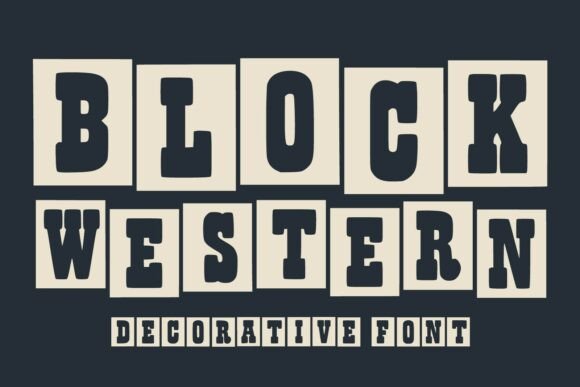
Block Western: How to Use This Bold Typeface for Authentic, High-Impact Designs
The allure of the American frontier never really fades, especially in design. Whether you're crafting a label for a craft brewery, designing a poster for a rodeo, or building a brand for a rustic clothing line, the typography you choose is your first and most powerful storyteller. This is where Block Western enters the scene. More than just a font, it's a design statement—a bold, decorative display typeface that channels the rugged spirit of classic western lettering and vintage signage. Its strong, block-style characters are built to command attention, delivering a playful yet impactful look that can instantly transport your audience to a world of cowboys, saloons, and wide-open spaces.
However, the very power that makes Block Western so compelling is also what makes it easy to misuse. In the hands of an eager but inexperienced designer, this typeface can quickly overwhelm a project, leading to cluttered layouts, poor readability, and a final product that feels more like a theme park than a professional piece of communication. The goal isn't just to use a western font; it's to harness its unique personality without letting it run roughshod over your design's clarity and purpose. Let's explore the common pitfalls and how to navigate them for stunning results.
Why Block Western Captures Attention (and How to Keep It)
At its core, Block Western is a display typeface. This is a critical distinction many beginners overlook. Display fonts are the headliners of the typographic world—they're designed for large sizes and short bursts of text, like headlines, logos, and posters. Trying to use Block Western for body copy is a classic mistake. Its thick, decorative strokes, while visually striking at a headline size, become a jumbled, unreadable mess in a small paragraph. The result? Your message gets lost, and your audience simply clicks away or puts down the material.
The better approach is to treat Block Western as your star player, not your entire team. Use it for that one crucial headline, the brand name on a logo, or the main title on a poster. Then, pair it with a clean, simple, and highly readable secondary font for subheadings and body text. A classic serif like Garamond or a clean sans-serif like Helvetica or Open Sans can provide the perfect contrast. This creates a visual hierarchy where the bold, western personality of Block Western draws the eye, and the supporting text delivers the detailed information with clarity.
Beyond the Aesthetics: Practical Pitfalls to Avoid
Another frequent misstep is failing to consider the context and medium. A font that looks magnificent on your high-resolution computer screen during design might become an illegible blur when printed small on a business card or viewed on a mobile device. Block Western has intricate details and strong shapes that require breathing room. Before finalizing a design, always test it at the actual size and in the actual environment it will be used. Print a test sheet. View the mobile version. Does the logo remain clear when scaled down for a social media profile picture? Does the poster headline still pop from a distance?
Furthermore, not all "western" or "vintage" fonts are created equal, and assuming they are can lead to a mismatched aesthetic. Some western fonts are overly ornate, mimicking hand-painted saloon signs, while others are more geometric and industrial, inspired by wood type from old wanted posters. Block Western falls into the latter category with its bold, blocky structure. It’s essential to understand the specific vibe you're aiming for. Is your project about rugged, no-nonsense authenticity, or is it about playful, decorative nostalgia? Choosing a font whose inherent personality aligns with your project's core message is half the battle won.
Making the Right Choice: A Checklist Before You Commit
Before you download or purchase Block Western for a project, pause and run through this quick evaluation. First, audit your project's needs. Is this for a headline, a logo, or a short, impactful piece of text? If you need it for long paragraphs, you're looking at the wrong category of font. Second, test its versatility. Does the font family come with different weights or styles (like a bold or condensed version)? Having these options can provide flexibility as your design evolves. Third, check the licensing. Is it free for commercial use, or does it require a license for your specific application (like merchandise or a client's logo)? Understanding the terms prevents legal headaches down the road.
Finally, consider the full design ecosystem. How will Block Western interact with your color palette, imagery, and other design elements? A font with this much character can clash with overly busy backgrounds or compete with other decorative elements. Often, the most powerful use of Block Western is against a simple, solid-colored background or layered over a subtle, textured image. Its strength is its standalone impact; don't dilute it by surrounding it with visual noise.
Embracing the Spirit, Not Just the Style
Using a typeface like Block Western is about more than just applying a style; it's about invoking a feeling. When used thoughtfully, it can communicate strength, heritage, adventure, and authenticity. It can make a brand feel established and trustworthy, or give a creative project a unique, handcrafted quality that stands out in a sea of generic modern fonts. The key is to approach it with intention. Respect its power, understand its limitations, and pair it wisely. By avoiding the common mistakes of overuse, poor pairing, and contextual oversight, you can ensure that Block Western works for you, delivering designs that are not only visually stunning but also clear, effective, and genuinely impactful. Let this bold typeface be the anchor of your design's personality, and build everything else to support its story.