Phyllis Font: A Critical Look at This Decorative Display Typeface
When searching for a typeface that makes an immediate impact, the choice often comes down to balancing artistic flair with practical application. The Phyllis font presents itself as a strong contender in the category of decorative display typefaces. It is designed not for body text or subtle subheadings, but to act as the visual anchor of a design. For professionals evaluating typography options, understanding where Phyllis excels and where its limitations lie is essential for making a sound decision. This analysis breaks down its characteristics, ideal use cases, and how it compares to other approaches.
Understanding the Core Design Philosophy
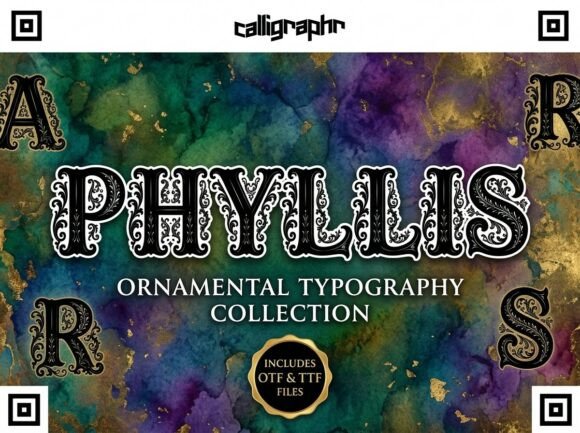
Phyllis is classified as an all-caps, uppercase-only display font. This is a critical detail that shapes its entire utility. Every letter is crafted as a standalone artistic element, with unique flourishes and a strong visual personality. The design philosophy prioritizes high-impact presentation over versatile readability. Its strengths lie in creating bold headlines, artistic logos, and creative packaging where the goal is to capture attention and convey a specific mood or brand identity. The professional finish ensures it doesn't look handmade or amateurish, but rather intentionally decorative.
This approach contrasts with more conventional font families that include multiple weights, lowercase letters, and extensive character sets. Phyllis makes a deliberate trade: it sacrifices broad versatility for specialized, concentrated visual power. For a designer, this means it is not a tool for every job. It is a specific instrument for specific tasks.
Practical Applications and Best-Fit Scenarios
Identifying the right project for Phyllis involves matching its inherent qualities with design goals. Its all-caps, decorative nature makes it particularly suitable for certain contexts.
- Logo and Wordmark Design: Where a brand wants a name to be unforgettable, Phyllis can provide the distinctiveness needed. Each letterform can contribute to a cohesive artistic statement.
- Hero Headlines and Title Cards: For websites, posters, or video openings, a short, powerful headline set in Phyllis can set the tone immediately. It works best with very few words—often a single phrase.
- Product Packaging and Labels: In markets like cosmetics, artisanal goods, or luxury items, the font can elevate a product's perceived value through its sophisticated, decorative style.
- Event Invitations and Announcements: For occasions that call for a touch of artistry and formality, such as galas or gallery openings, Phyllis can deliver the right aesthetic.
In these scenarios, the font is used as a focal point. The surrounding design elements—supporting typography, imagery, and layout—play a complementary role. Using Phyllis for large blocks of text or lengthy sentences would be counterproductive, as its intricate details can reduce legibility at smaller sizes or in extended reading.
Comparing Phyllis to Alternative Typographic Strategies
When considering a font like Phyllis, it’s helpful to evaluate it against other common approaches to achieving visual impact. The decision isn't just about this font versus another, but about which typographic strategy best serves the project.
Against Standard Serif and Sans-Serif Display Fonts
Many display fonts in the serif or sans-serif families offer bold weights and condensed styles for impact. These alternatives often include lowercase letters and a full alphabet, providing more flexibility for creating hierarchical layouts. A designer using such a font could set a bold headline and a lighter subheading within the same type family, ensuring cohesion. Phyllis, by contrast, would require pairing with a completely different, likely more neutral, font for any secondary text. The trade-off is clear: standard display fonts offer systematic versatility, while Phyllis offers singular artistic character.
Against Script and Handwritten Fonts
Other decorative categories, like elegant scripts or casual handwritten fonts, also aim for personality. Script fonts can convey sophistication or whimsy, but they sometimes struggle with legibility, especially in all-caps settings. Phyllis maintains a more structured, polished finish compared to many scripts, which can appear more fluid and less formal. Its all-caps nature also gives it a different rhythm and weight than a script font that mimics cursive writing. The choice here depends on the exact mood: polished artistry versus personal expression.
Against Creating Custom Lettering
The ultimate alternative to a decorative display font is commissioning custom lettering or a bespoke typeface. This offers total uniqueness but comes at a significantly higher cost and longer timeline. Phyllis provides a ready-made solution that captures a custom, artistic feel at a fraction of the investment. For many projects, especially those with limited budgets or tight deadlines, this represents a practical middle ground between generic fonts and fully custom work.
Evaluating Strengths and Limitations
A balanced assessment requires acknowledging both the advantages and the constraints of using Phyllis.
Key Strengths
- Immediate Visual Distinction: Its primary strength is the ability to make a design element stand out instantly. In a crowded visual landscape, this can be a significant advantage.
- Professional Quality: The font is crafted with professional design software in mind, coming in both OTF and TTF formats. This ensures compatibility and clean rendering in advanced applications.
- Clear Artistic Direction: Using Phyllis sends a clear aesthetic signal. It can quickly align a design with themes of creativity, luxury, or artisanal quality.
Important Limitations
- Uppercase-Only Constraint: The lack of lowercase letters is the most significant limitation. It fundamentally restricts how the font can be used in textual compositions. Any design requiring sentence case or mixed case will need another typeface.
- Reduced Flexibility: It is not a workhorse font. Its decorative nature means it cannot be used for body copy, detailed information, or any context where sustained readability is paramount.
- Niche Application: Its very strength—being highly stylized—means it is not suitable for conservative, corporate, or minimalist design contexts where subtlety is valued over flair.
Making the Decision: Is Phyllis the Right Choice?
Choosing Phyllis should be a deliberate decision based on a clear understanding of your project's needs. It is likely the right choice if:
- Your primary need is a short, impactful headline or logo where artistic expression is the top priority.
- You are designing for a context that celebrates creativity, craftsmanship, or bold aesthetics.
- You have a complementary, highly readable font ready to handle all other text in your layout.
- You value the ready-to-use, polished character of a pre-designed font over the flexibility of a standard type family.
Conversely, you may need to explore other options if your project requires:
- Setting more than a few words at a time.
- A unified typographic system with multiple weights and styles for complex layouts.
- A tone that is corporate, neutral, or highly technical.
- The use of lowercase letters for stylistic or readability reasons.
Ultimately, Phyllis is a specialized tool. It does not aim to be an all-in-one solution. When used within its intended scope—as a striking display typeface for uppercase elements—it can deliver exceptional results. The key for any designer or creator is to evaluate whether the project's goals align with the font's inherent design philosophy. By considering the comparisons, strengths, and limitations outlined here, you can make a more informed choice about whether Phyllis is the right instrument to bring your creative vision to life.